




You are viewing 1 of your 2 free articles
Gulf tourism sector ‘riding out crisis and hoping for recovery’

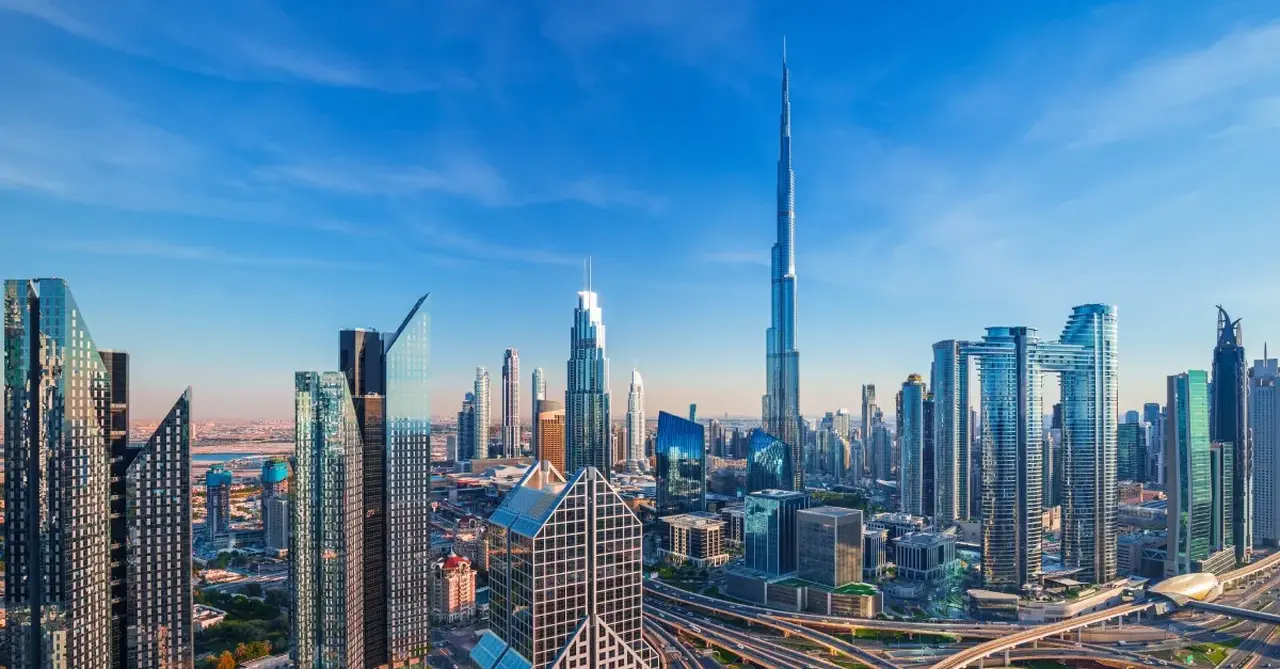
Gulf carriers and destinations hope for an imminent end to the crisis in the region despite a resumption of missile and drone attacks this week, with plans focused on a post‑war tourism rebound rather than adapting for a lengthy shutdown.
Emirates announced it had restored 96% of its pre-war network this week and Gulf airports have retained their workforce levels.
Rob Johnston, assistant general secretary of the International Transport Workers’ Federation (ITF), said: “[Gulf] airports were quick to let workforces go during Covid, then struggled to recover afterwards. Now we see a willingness to retain the workforce.”
The ITF represents fewer workers in hospitality than transport, but Johnston said: “It’s similar in hotels to transport. There seems a willingness in the short term to try to ride this out and hope for a recovery.”
He noted: “There is a degree of nervousness – a question whether the region will return to its previous volume of traffic and what it will take to get there.
“One of the reasons the Gulf states were able to develop as major hubs was a perception they were safe and not affected by the tensions in the Middle East. This [war] has changed the outlook. Will we go back to where it was?
“You would think it would take a while to recover, but price does count. There is a question whether airlines and governments step in to make flights competitive on price.”
Johnston said the crisis had “not been easy” for workers in the region, most of them migrants, saying: “We’ve had 20,000 seafarers stuck on the edge of a war zone. Think of the mental health issues alone. We’ve been working with the Gulf states to repatriate people, but it’s a huge challenge.”
Emirates reported operating more than 1,300 flights a week from May, three-quarters of its pre-war schedule, and Qatar Airways said it is “advancing phased restoration of its network”, although the UK Foreign Office continues to advise against all but essential travel to the UAE.
Visit Qatar chief executive Abdulaziz Ali Al-Mawlawi promised a “co-ordinated bounce-back plan grounded in the full readiness of our infrastructure” in a message to the trade last week.
More Content











More Content





Jacobs Media is a company registered in England and Wales, company number 08713328. 3rd Floor, 52 Grosvenor Gardens, London SW1W 0AU
© 2025 Jacobs Media
