




You are viewing 1 of your 2 free articles
Virgin Atlantic boss issues warning over higher jet fuel prices


Higher jet fuel prices are “here to stay” and a prolonged war in the Middle East will hit global travel demand, the boss of Virgin Atlantic has warned.
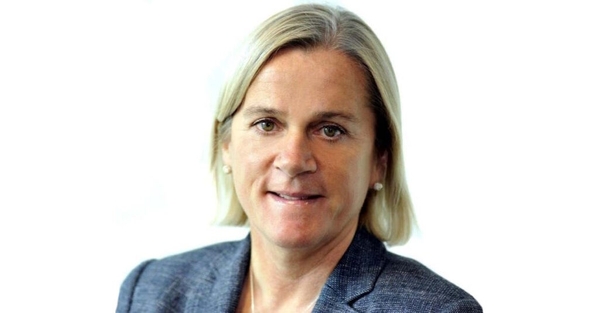
The airline will struggle to return a profit this year, even after adding fuel surcharges to fares in an effort to counter rising costs, Corneel Koster, who took over as chief executive in January, was reported by the Financial Times as saying.
Despite the “positive news” of the ceasefire between the US and Iran, “all-in jet fuel prices” were still more than double the levels before the war, he told the newspaper.
“That’s a concern that impacts the industry, that impacts all of us,” Koster said, adding that “no matter what happens in the Gulf going forward . . . some of this disruption to global energy prices will be here to stay”.
The price of Brent crude rose above $100 a barrel again on Monday, although it later fell back, after US President Donald Trump announced plans for an American blockade of the Strait of Hormuz to pressurise Iran to reach a deal.
Koster said if jet fuel levels “stay high for a sustained period of time”, it would affect passenger demand, even as he stressed that bookings were currently strong across Virgin Atlantic’s routes.
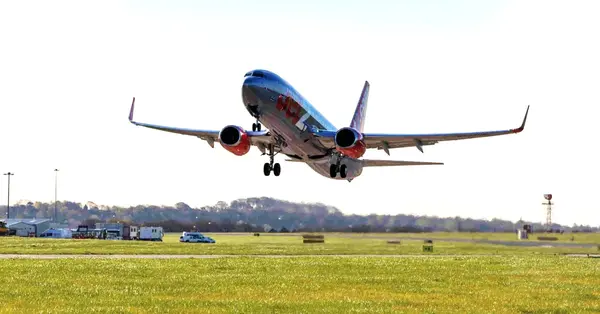
The airline is heavily focused on transatlantic services, but other destinations include the Maldives, India and Seoul in South Korea from this month.
Virgin Atlantic has added charges of £50 to economy tickets, £180 to premium and £360 to upper class, although this is not expected to fully offset its elevated fuel costs.
“It is going to be hard to make a profit this year,” Koster reportedly said.
Virgin Atlantic, which was founded by Sir Richard Branson and is 49% owned by Delta Air Lines, made a pre-tax profit in 2024, but fell to a loss last year.
While Virgin Atlantic is about 60% hedged on its jet fuel for this year, it is still exposed to higher prices when buying remaining supplies.
Koster said Virgin Atlantic had not yet had to make any changes to its flights or refuelling patterns to account for potential shortages.
In a separate interview with Bloomberg News, Koster said the carrier had about six weeks of secure jet fuel supplies before the outlook gets murkier.
He added that the airline is in discussions with governments and its base at Heathrow to help ensure adequate fuel availability.
European airport trade body ACI Europe last week warned hubs in the region were about three weeks away from “systemic” jet fuel shortages if the Strait of Hormuz was not fully reopened.















Jacobs Media is a company registered in England and Wales, company number 08713328. 3rd Floor, 52 Grosvenor Gardens, London SW1W 0AU
© 2025 Jacobs Media
