




You are viewing 2 of your 2 free articles
EasyJet issues fuel costs warning amid Iran war ‘uncertainty’

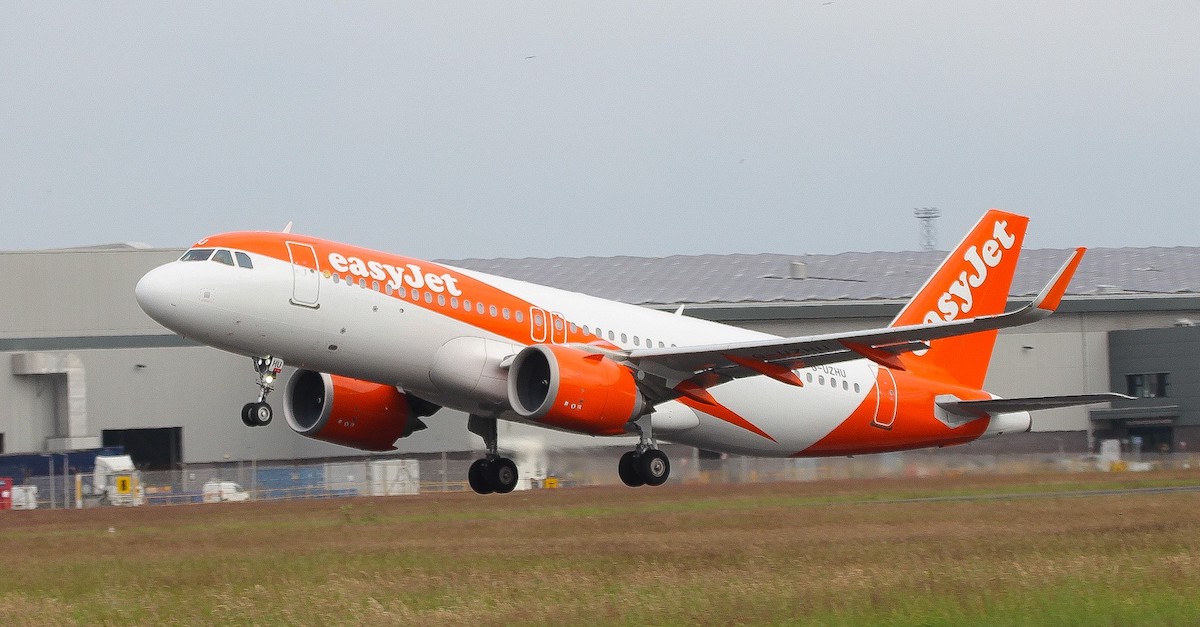
EasyJet expects to report a pre-tax loss of between £540 million and £560 million for the first half of the current financial year as the Iran war sent fuel prices soaring.
The traditional winter loss for the six months to the end of March outlined in a trading update was described as being “broadly in line with expectations, with revenue and costs in line”.
This excludes about £25 million of additional fuel costs in March due to the Middle East conflict and around a £30 million net increase in legal provisions across a number of unspecified “historic cases”.
EasyJet holidays saw continued strong demand, with customer numbers increasing by 22% year on year in the first half.
Overall demand across the first half remained positive, with the airline delivering a load factor of 90%, up two percentage points year on year.
However, the budget carrier said: “The conflict in the Middle East has introduced near-term uncertainty around fuel costs and customer demand.
“As expected, the booking curve has shortened in recent weeks, resulting in lower than normal forward visibility.”
The earlier timing of Easter, as strong late demand for domestics, cities and the western Mediterranean "offset war-related softness in Egypt, Turkey and Cyprus," the airline said.
The results were also impacted by continued capacity investments to drive winter aircraft utilisation and competitive overcapacity in specific markets.
EasyJet is 70% hedged at $706 per metric tonne for jet fuel over the summer period, although fuel prices “remain volatile” for the unhedged portion.
Every $100 movement in fuel prices equates to about £40 million in costs in the second half of the financial year, according to the carrier.
“In line with the wider industry, we remain in close contact with our fuel suppliers and airports around fuel supply,” the airline noted.
EasyJet holidays is currently 67% sold for the second half of the financial year with growth expected to increase at “low double‑digit” level year on year “in a competitive market”.
The airline said: “Whilst we navigate the current operating environment, easyJet remains firmly focused on executing multiple self‑help initiatives to deliver its medium‑term financial targets.”
Chief executive Kenton Jarvis said: “EasyJet saw continued positive demand in the first half, driven by our great value flights and holidays, alongside a continued focus on our operations and customer experience.
“Despite these positives, our H1 financial performance worsened year on year, impacted by the conflict in the Middle East and the competitive environment in some markets.
“Following our busiest Easter holiday period ever, the operational ramp up into peak summer continues as planned.
“EasyJet’s financial strength from our investment grade balance sheet and £4.7 billion of liquidity mean we are well placed to navigate current geopolitical challenges while remaining focused on our medium term targets.”
Full half‑year results are due to be issued on May 21, “which will include the normal update on strategic initiatives”.
Related Content



















Jacobs Media is a company registered in England and Wales, company number 08713328. 3rd Floor, 52 Grosvenor Gardens, London SW1W 0AU
© 2025 Jacobs Media
