




You are viewing 1 of your 2 free articles
Post-summer fallout from oil crisis and potential cost of living shock could hit European aviation

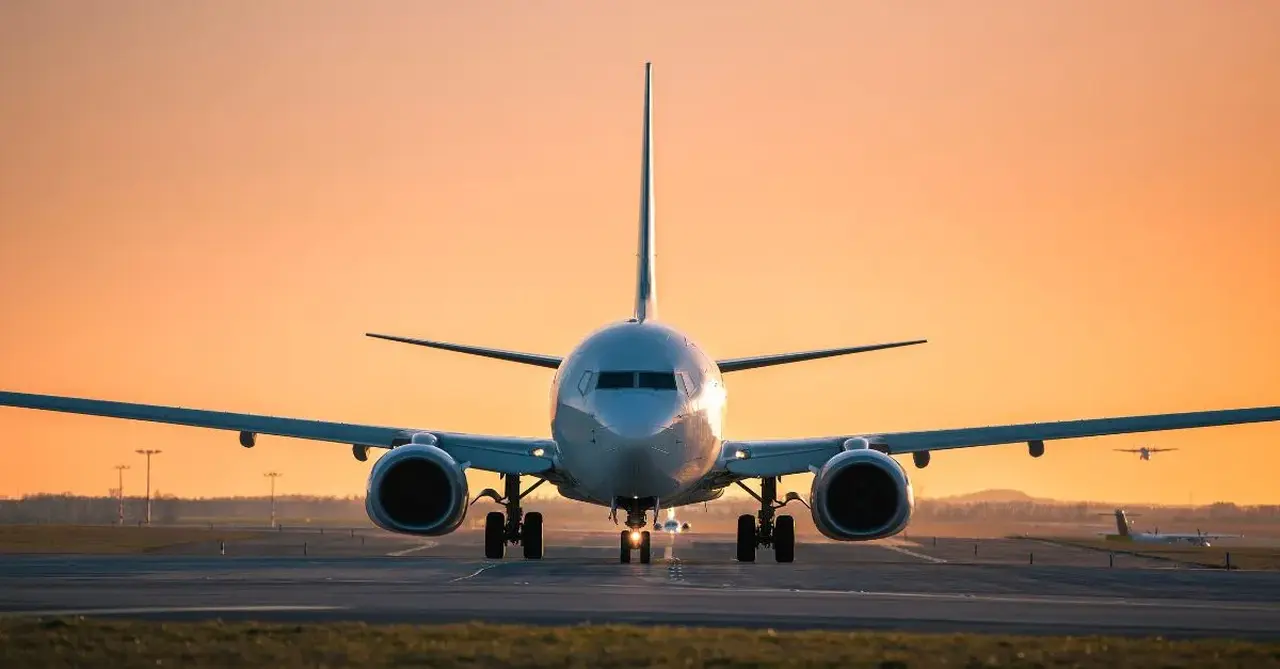
The outlook for European aviation after the summer remains uncertain due to the fallout from the Iran war.
The warning came from airports trade body ACI Europe as it reported a “resilient” performance in March.
Passenger numbers across the network rose by 3.8% year on year - remaining broadly in line with the previous month’s increase of 4.2% despite the conflict in the Middle East which started on February 28.
Airports in the EU, UK, EEA and Switzerland saw passenger volumes increase by 4.1% against 3.9% in February.
However, those in the wider region covering Albania, Armenia, Azerbaijan, Belarus, Bosnia & Herzegovina, Georgia, Israel, Kazakhstan, Kosovo, Moldova, Montenegro, North Macedonia, Russia, Serbia, Turkey, Ukraine and Uzbekistan saw growth more than halve to 2.6% from 5.9% the previous month. This was mainly as result of the “massive impact” of the conflict on Israeli airports which suffered a 86.3% fall in passengers.
ACI Europe director general Olivier Jankovec said: “Overall, the first month of the Middle East war has once again highlighted the resilience of demand for air transport in the face of another major geopolitical shock.
“Many European airports lost direct connectivity to the region, but those traffic flows connecting onward to Asia rapidly adapted through alternative direct and indirect routings. To some extent, this even supported intra-European traffic flows, while the transatlantic market remained extremely dynamic.”
He added: “Looking at the peak summer months ahead of us, we do not – for now – expect a contraction of passenger volumes, unless we end up facing significant jet fuel shortages.
“Middle Eastern airlines are now restoring their European network while European ones have only made limited capacity adjustments – reflecting the protection afforded by fuel-cost hedging strategies and the continued resilience of demand.
“However, past the peak summer months, the traffic outlook is effectively a black box for the industry.
“It all hinges on geopolitics and the fallout of the oil crisis – with the prospect of a cost-of-living shock testing demand resilience.”











More Content







Jacobs Media is a company registered in England and Wales, company number 08713328. 3rd Floor, 52 Grosvenor Gardens, London SW1W 0AU
© 2025 Jacobs Media
