




You are viewing 2 of your 2 free articles
Lawyer dismisses claim UAE transit flights might be excluded from FCDO advice

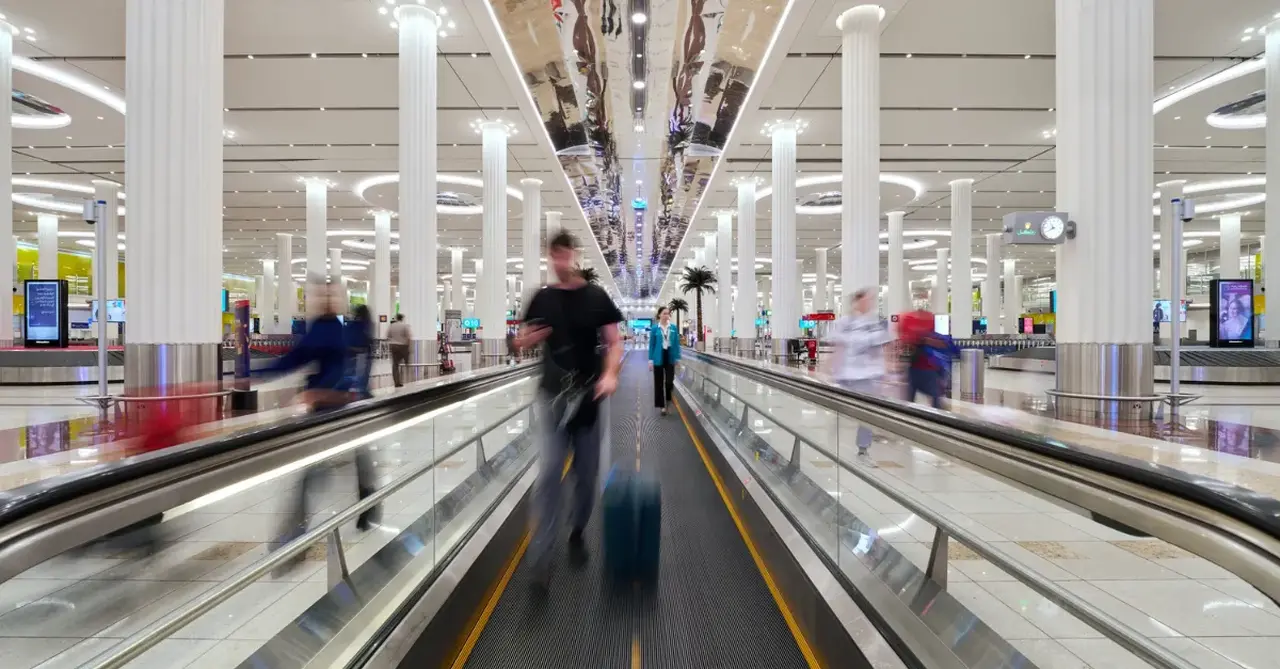
Gulf carriers have almost wholly resumed flying since late March but Foreign Office advice against all but essential travel to the UAE remains in place and includes transit via the region.
Leading travel lawyer Farina Azam, a partner at Fox Williams, dismissed a suggestion that transit flights might be excluded from the advice despite describing the FCDO wording as “unhelpful” as it “doesn’t talk about transit flights”.
Speaking at the Barclays Travel Forum in London last week, Azam acknowledged “we’ve not really seen this transit issue before” but said: “Transit flights are affected by FCDO advice.”
She argued: “If you look at other FCDO advisories, where customers transit airside is mentioned, it is carved out [of the advice].”
Azam added: “FCDO advice [on the UAE] also mentions airports are at risk, so you can’t argue transit flights are covered by insurance.”
The Foreign Office continued to advise against all but essential travel to the UAE this week despite noting commercial flights have resumed and that: “Iranian strikes against civilian infrastructure across the region [including hotels and airports] have decreased.”
However, it also advised: “The risk of renewed strikes remains and further attacks could occur at short notice.”
Abta advice to consumers notes “ongoing conflict in parts of the Middle East continues to affect travel across the region” and states: “FCDO advice against ‘all but essential travel’ to a number of countries . . . also applies to journeys involving transit. Even where flights are operating . . . this does not necessarily mean holidays will go ahead, given the ‘all but essential’ travel restrictions.”
The association notes customers’ rights differ depending on their booking – whether a package, a flight with a UK or EU airline, or a flight with a non-UK/EU airline, with Middle East carriers not subject to UK and EU air passenger rights regulations other than on UK and EU outbound flights.
More Content










More Content







Jacobs Media is a company registered in England and Wales, company number 08713328. 3rd Floor, 52 Grosvenor Gardens, London SW1W 0AU
© 2025 Jacobs Media
