




Agents hope for sales boost after ceasefire but clients still cautious

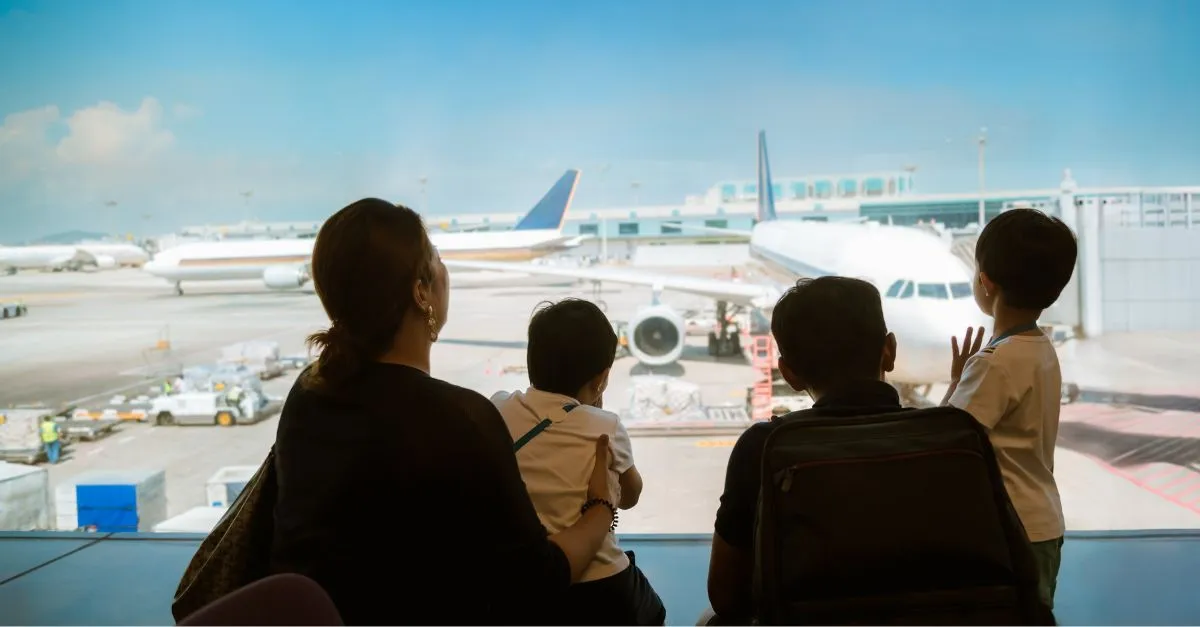
The trade has cautiously welcomed news of a two-week ceasefire in the Middle East in the hope it restores travel confidence and encourages clients to book.
Travel agents have cited increased hesitancy among clients as well as a “wait-and-see” mindset in recent weeks amid an overall sales slowdown since the war started.
The ceasefire deal in the early hours of Wednesday (April 8), which includes Iran reopening the Strait of Hormuz, led to a sharp fall in oil prices to below $100 a barrel – although oil is not expected to return to pre-war levels of around $70 a barrel due to damage sustained in the region.
Association of Atol Companies advisor Alan Bowen was hopeful the news might at least “encourage people to book now”. “We are back from the brink,” he said, but warned: “We are not at the end of the road yet.”
More: Oil prices tumble as two-week ‘conditional’ US-Iran war ceasefire confirmed
Barrhead Travel managing director Nicki Tempest-Mitchell called the ceasefire a “really positive step” and expected confidence to return “quite quickly over the next couple of weeks”.
“The situation feels much calmer, which always has a direct impact on customers’ willingness to book,” she said.
“People still want to travel; we’re already seeing signs of stability coming back into the market.”
Markus Kendall-Young, founder of Auria Travel, said: "There seems to be more positivity for sure. We had customers asking if they’ll be able to fly there (to the Middle East) freely again soon. We’ve also had a few customers who have started to look at potential bookings again that were previously stalling. Fingers crossed we can get back to some normality."
Advantage Travel Partnership head of business development David Moon agreed: “Hopefully, the recent news will bring a sense of calm to the region and help bolster consumer confidence to travel.”
The ceasefire deal follows reports by the consortium’s members of slow footfall in the lead up to the Easter weekend.
Across the trade, agents said uncertainty caused by the war had led to increased questions over recent weeks, with clients taking longer to commit and choosing to book at the last minute.
Hays Travel said trading had yet to return to “business as usual” despite a slowdown in the cancellation rate since the initial weeks of the war. Chief operating officer Jonathon Woodall-Johnston said: “Customers are doing their research and making enquires, but holding off booking.
“It’s likely widespread media coverage about the expected increase in the cost to travel, coupled with the rise in cost-of-living expenses, is leading to hesitancy.”
Independent Travel Experts said booking volumes remained in line with expectations but overall trading “continues to sit behind targets”.
Premier Travel managing director Paul Waters said enquiry levels dipped last week but trading was “more resilient” than the previous two weeks.
“There is some hesitation from a proportion of customers but broadly people remain keen to travel. Enquiry levels remain healthy overall,” he said, but admitted some clients were “simply not ready to commit, regardless of the offer available” while others were adopting a “wait and see” approach.
Experience It Now director Richard Light also reported softer trading over the past week with customers “more cautious”.
“Enquiries are still coming in, but customers are taking longer to commit,” he said. Travel By Hannah director Hannah Porter also noted “more hesitation creeping in” and more conversations about the Middle East.
“It’s not completely stopping bookings – more prompting questions and reassurance before committing,” she said, but admitted: “There is [also] still a bit of a ‘wait-and-see’ mindset with some customers hoping for last-minute deals.”
Shevaun Joy, director of Destination, reported a "good level of enquiries and bookings" but said: "Clients have been asking about fuel surcharges once bookings have been made, so our reassurance with this is helping get bookings over the line."
Related Content













Jacobs Media is a company registered in England and Wales, company number 08713328. 3rd Floor, 52 Grosvenor Gardens, London SW1W 0AU
© 2025 Jacobs Media
