




You are viewing 1 of your 2 free articles
Tui and easyJet follow Jet2 with ‘no surcharge’ pledges

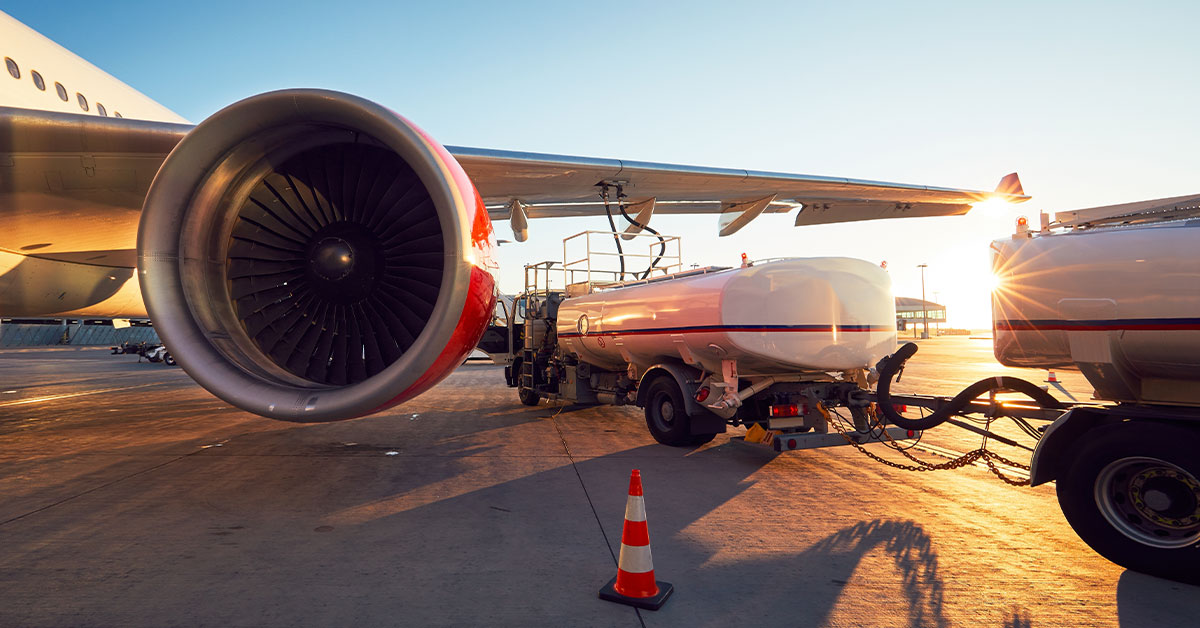
Tui and easyJet have swiftly followed Jet2 in ruling out fuel surcharges on holiday bookings in a bid to reassure customers concerned about potential price hikes.
But British Airways owner IAG admitted “pricing adjustments” are being made in the face of rising oil prices due to the Iran war.
The government also announced flexibility on airport slot rules if fuel shortages prevent airlines from flying as part of a range of potential contingency measures.
Tui UK & Ireland managing director Neil Swanson said: “We understand that customers want both confidence and clarity when booking a holiday.
“Our teams are here to support people who are thinking about booking, and those who have already booked with Tui can be reassured that their holiday price is fixed, with no fuel surcharges added.”
After Jet2 led the way on Friday by confirming it will not introduce surcharges on any booked flights or holidays to cover jet fuel cost increases, EasyJet and easyJet holidays followed suit 24 hours later.
The budget airline and its sister tour operation declared they will not introduce surcharges on flights or package holidays.
No surcharges will apply to any pre‑booked easyJet holidays packages or to any new bookings for summer 2026.
EasyJet noted that it “currently” sees no disruption to its jet fuel supply and all flights and package holidays continue to operate normally.
Garry Wilson, chief executive of easyJet holidays, said: “We know that holidaymakers may have questions about what recent global events might mean for their travel plans this summer so we are giving our customers absolute peace of mind that no surcharges will be added to their flights or package holidays.
“Our operations remain unaffected, so customers can be confident that not only will their holiday go ahead as planned, but there will be no surprise extra payments, and they can enjoy their brilliant holidays at unbeatable prices.”
However, a spokesperson for IAG – parent company of BA, Aer Lingus, Ibera and Vueling – said: “We are not seeing jet fuel supply interruptions, but fuel prices have risen sharply and, despite our hedging strategy which gives some shorter term mitigation, we are not immune to the impact.
“Like other carriers, IAG airlines are making some pricing adjustments to reflect these higher fuel costs.”
They added: “Our airlines will continue to monitor and respond to the situation and as long as these pressures continue, flexibility from government, including on slot alleviation, would ensure airlines can continue to operate as efficiently as possible and manage sustained cost challenges while keeping people and trade moving.”
The Department for Transport said on Friday: “Since the closure of the Strait of Hormuz, we have been closely monitoring UK jet fuel stocks and working with airlines, airports and fuel suppliers to ensure passengers keep moving and businesses are supported.
“We continue to plan for a range of contingencies, while focusing on securing a long lasting and workable solution to get shipping flowing freely again through the Strait of Hormuz.
“At some UK airports, airlines are given scheduled times known as ‘slots’ in which to take off or land.
“Under normal rules, airlines must use at least 80% of their allocated slots during a season to keep them for the following year. If they fall below this threshold, those slots can be reassigned to another airline. This is known as the ‘use it or lose it’ rule.
“Airport Coordination Limited, the independent body that manages slot allocation at UK airports, has updated its guidance so that airlines will not lose their slots if fuel shortages prevent them from flying.
“Airlines can now apply for an exemption from the ‘use it or lose it’ rule in these circumstances.
“This means airlines can focus on minimising disruption for passengers, rather than feeling pressure to operate flights purely to protect their slots.”
The DfT added: “There is no current need for passengers to change their travel plans. UK airlines buy jet fuel in advance, and airports maintain stocks to support their resilience. The government is working closely with the aviation industry to monitor risks and minimise disruption to passengers.
“If your flight is cancelled, you have clear legal rights, including the right to a full refund or re-routing.
“Government regularly meets with industry to monitor risks, understand pressures and ensure clear communication with passengers, should circumstances change.
“We recognise that families may be concerned, and that aviation and tourism businesses are operating in challenging global conditions. We are working hand‑in‑hand with industry to help flights keep operating.
“We advise passengers to continue checking with their airlines before they travel, and to check the FCDO travel advice for the latest updates. You should also ensure you have appropriate travel insurance.”
Airlines UK chief executive Tim Alderslade told The Times: “Temporary slot alleviation would allow airlines to adjust schedules responsibly, avoid unnecessary flying and continue operating as efficiently as possible while protecting connectivity for passengers and trade over the coming months.”
Jet fuel prices have doubled following the escalation of conflict in the Middle East, forcing carriers worldwide – including Lufthansa Group, Air France-KLM, and Emirates – to introduce emergency surcharges or cost-cutting measures.
Related Content



















Jacobs Media is a company registered in England and Wales, company number 08713328. 3rd Floor, 52 Grosvenor Gardens, London SW1W 0AU
© 2025 Jacobs Media
