




You are viewing 1 of your 2 free articles
Analysis: Fuel mitigation welcome amid uncertain outlook
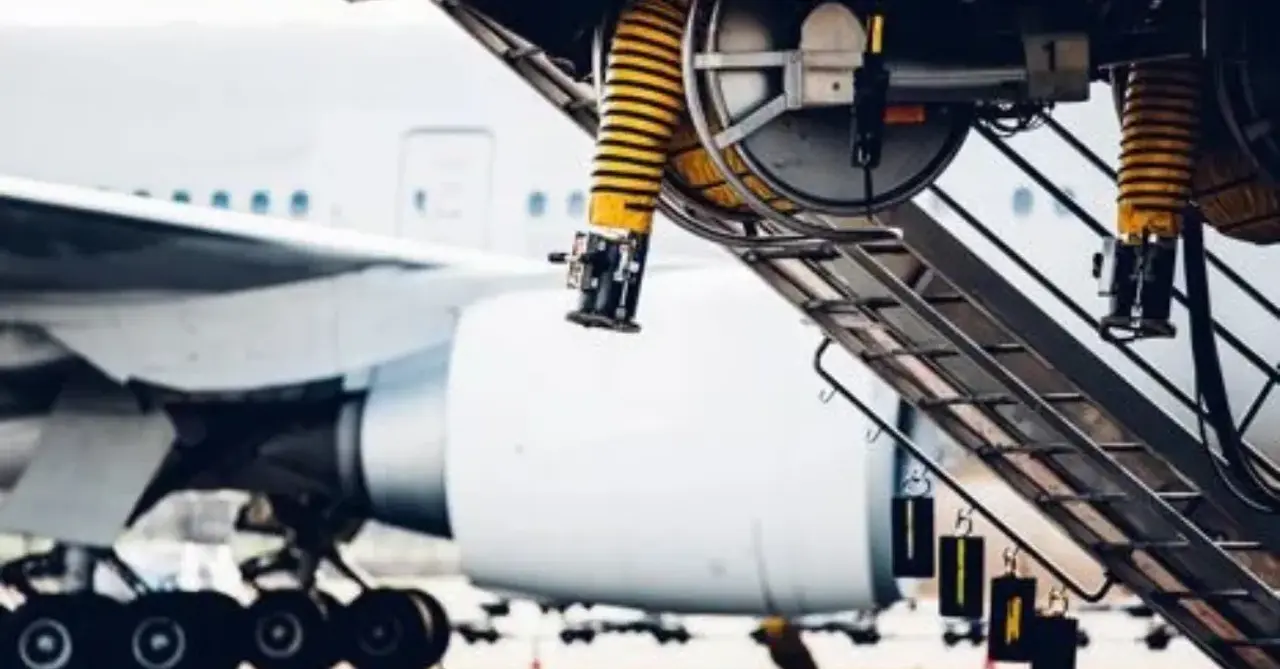
Continuing volatility in the Middle East means the sector continues to have to adapt, says Ian Taylor

More than 10 weeks into the US‑Iran confrontation and we appear no nearer to a resolution and a relaxation of the squeeze on oil supplies.
The US president continues to veer between claiming the war will be “over quickly” (last week) and dismissing Iran’s response to US proposals to end the war as “totally unacceptable” (at the weekend). So, the blockade of oil and refined products from the Gulf – including jet fuel – remains.
British Airways’ owner IAG and the Lufthansa Group sought to reassure analysts, passengers and partners of their continuing access to fuel last week, while the UK Department for Transport responded acidly to media reports of wholesale flight cancellations.
The DfT noted on May 8: “Around 1,200 departing passenger flights from the UK have been removed from schedules from May 3 to June 14 . . . less than 1% of the flights originally scheduled over this period, within the range we would expect in a normal year”. It added: “Only up to 0.2% flights have been cancelled from June to August.”
The data is reassuring. The problem lies in what is to come. Deloitte UK chief economist Ian Stewart noted this week “the sustained loss of 10% of the world’s oil supply” was bound to cause problems although “the buffers in the system have so far cushioned the impact”.
However, he warned: “The fragmented nature of energy storage makes it impossible to assess the precise level of remaining stocks. The current pace of depletion is not sustainable.”
This is the reason no one can issue a categorical assurance of the availability of jet fuel beyond about six weeks.
Lufthansa chief Carsten Spohr made plain last week: “We don’t see any bottleneck in supplies through June. However, we are preparing for alternative scenarios. Beyond six weeks we can’t really plan.”
The government’s relaxation of slot rules at major airports, “to allow airlines to consolidate schedules”, will help. So will relaxing restrictions on the use of Jet A fuel, mostly used in the US where it is produced, as a substitute for the Jet A-1 fuel used in Europe – much of it imported from the Gulf. The difference lies in Jet A’s higher freezing point, which Spohr points out “is not an issue in the summer”.
Iata made the case for this substitution last week, and Spohr urged the EU to follow the UK’s lead on slots.
He argued: “We need the slot rules suspended. The UK took a step in this direction. We hope the EU will follow.”
Spohr also called for the certification of Jet A and urged the suspension of ‘anti-tankering’ rules to allow aircraft to carry fuel for both legs of a return flight.
The EC has so far rejected calls to relax slot rules other than on “a case-by-case basis” in the event of cancellations due to airport fuel shortages.
We must hope EU transport commissioner Apostolos Tzitzikostas was right to insist last week that Europe “can sustain jet fuel supplies for a long period”.















Jacobs Media is a company registered in England and Wales, company number 08713328. 3rd Floor, 52 Grosvenor Gardens, London SW1W 0AU
© 2025 Jacobs Media
